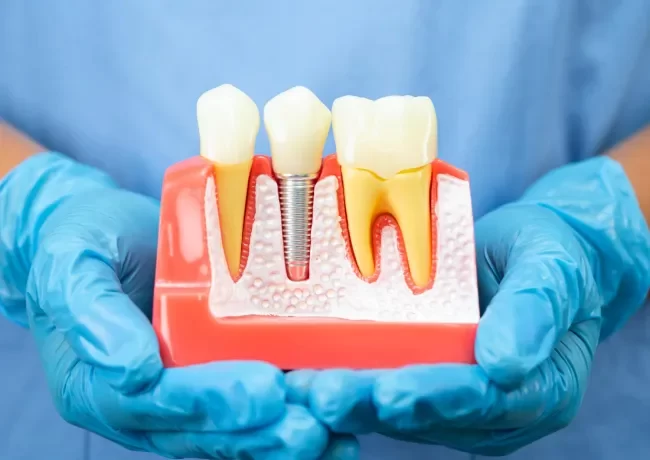
Dental Implants for Diabetic Patients
Dental implants have become the gold standard for replacing missing teeth. They look, feel, and function like natural teeth and offer a long-term solution to restore smiles. But what if you have diabetes? Can you still get dental implants safely and successfully?
The short answer is: Yes, with the right care and planning. This blog explores everything diabetic patients need to know before considering dental implants.
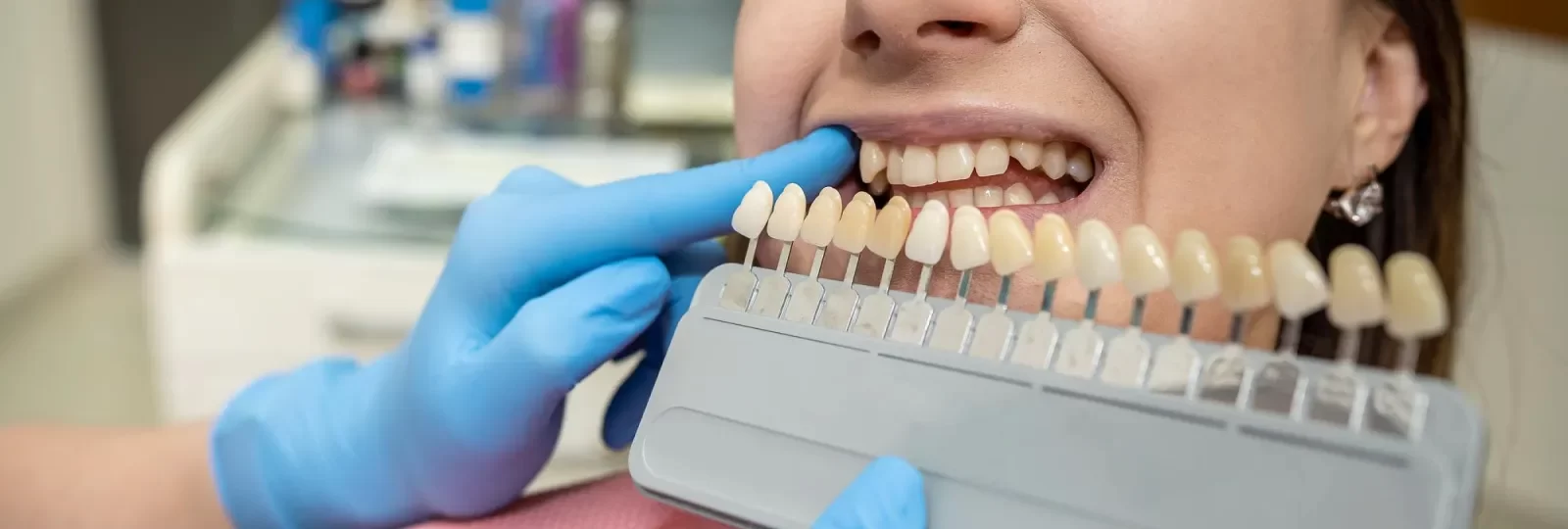
How Does Diabetes Affect Oral Health?
Diabetes, especially when not well-managed, can impact your oral health in several ways:
- Slower healing after dental procedures
- Higher risk of gum disease (periodontitis)
- Increased susceptibility to infections
- Dry mouth, which can contribute to decay and irritation
These factors can affect both the placement and the long-term success of dental implants.
Are Dental Implants Safe for Diabetics?
Yes—dental implants are generally safe for diabetic patients, especially if their blood sugar levels are under control. In fact, many studies have shown that with proper management, dental implant success rates in diabetics can be nearly as high as in non-diabetics.
Factors that Improve Implant Success in Diabetics:
- Well-controlled blood glucose (HbA1c < 7%)
- Healthy gums and bone structure
- Good oral hygiene practices
- Regular dental checkups
Pre-Implant Assessment for Diabetic Patients
Before undergoing implant surgery, your dentist or oral surgeon will perform a comprehensive evaluation, including:
- Medical history review
- HbA1c test to check blood sugar control
- Oral exam to assess gum health and bone density
- X-rays or 3D scans to evaluate the jawbone for implant placement
If your diabetes is poorly controlled, your dentist may recommend delaying the procedure until better stability is achieved.
The Implant Procedure: What to Expect
The implant process typically involves several steps:
- Initial Consultation and Planning
- Implant Placement Surgery
- Healing and Osseointegration (3–6 months) – This is when the implant fuses with the jawbone.
- Abutment and Crown Placement
During the healing phase, diabetic patients need to be especially diligent about blood sugar levels, oral hygiene, and follow-up appointments.
Tips for Diabetic Patients Considering Dental Implants
1. Keep Your Diabetes Well-Managed
- Work closely with your doctor to monitor and control blood glucose levels.
- Maintain an HbA1c below 7% for optimal healing.
2. Practice Excellent Oral Hygiene
- Brush twice a day and floss daily.
- Use antiseptic mouthwash as recommended.
- Avoid tobacco and limit sugary foods.
3. Follow All Post-Op Instructions
- Take prescribed antibiotics if given.
- Stick to a soft food diet as advised during the healing period.
- Attend all follow-up visits for proper monitoring.