Root Canal Treatment vs Tooth Extraction: Which Is Better?
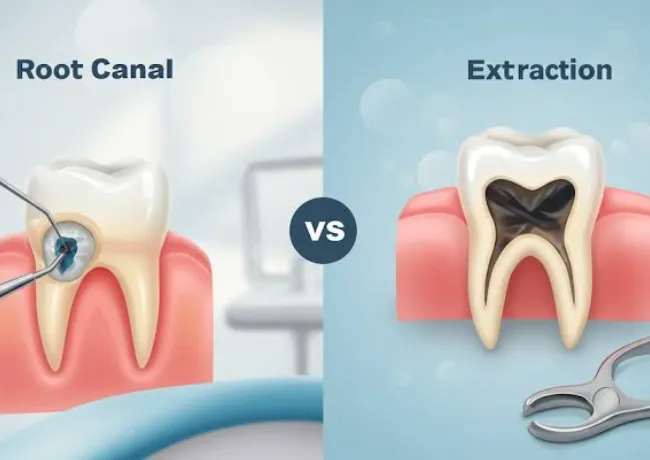
When a tooth becomes severely damaged, infected, or decayed, patients are often faced with two treatment options: Root Canal Treatment (RCT) or Tooth Extraction. While both procedures can eliminate pain and infection, they serve very different purposes and have different long-term effects on your oral health.
Many people assume that removing a problematic tooth is the easiest solution. However, modern dentistry emphasizes preserving natural teeth whenever possible. Understanding the differences between root canal treatment and tooth extraction can help you make the best decision for your smile, comfort, and overall oral health.
In this comprehensive guide, we’ll compare root canal treatment and tooth extraction, discuss their benefits and drawbacks, and help you determine which option may be right for you.
Understanding Root Canal Treatment
Root canal treatment is a dental procedure designed to save a tooth that has become infected or severely damaged. The procedure involves removing infected pulp tissue from inside the tooth, cleaning and disinfecting the root canals, and sealing the tooth to prevent future infection.
When Is a Root Canal Needed?
A dentist may recommend a root canal if you experience:
- Severe toothache
- Sensitivity to hot or cold temperatures
- Swollen or tender gums
- Deep tooth decay
- Cracked or fractured teeth
- Dental abscesses
- Darkening or discoloration of a tooth
How Root Canal Treatment Works
The procedure typically involves:
Diagnosis and X-rays
The dentist examines the tooth and takes X-rays to assess the extent of the infection.
Removing the Infected Pulp
A small opening is created in the tooth to access and remove infected tissue.
Cleaning and Shaping the Canals
The root canals are thoroughly cleaned and disinfected.
Filling the Canals
The canals are filled with a biocompatible material to prevent reinfection.
Crown Placement
In many cases, a dental crown is placed over the treated tooth to restore strength and function.
Understanding Tooth Extraction
Tooth extraction involves completely removing a tooth from its socket. This procedure may be simple or surgical depending on the condition and position of the tooth.
When Is Tooth Extraction Recommended?
A dentist may suggest extraction if:
- The tooth is beyond repair
- Severe decay has destroyed most of the tooth structure
- Advanced gum disease has loosened the tooth
- A tooth is severely fractured below the gum line
- Impacted wisdom teeth are causing problems
- Orthodontic treatment requires space
Types of Tooth Extractions
Simple Extraction
Performed when the tooth is visible above the gum line and can be removed easily.
Surgical Extraction
Required for impacted, broken, or difficult-to-access teeth.
Root Canal Treatment vs Tooth Extraction: Key Differences
Preserving Natural Teeth
Root Canal Treatment
The primary goal of root canal therapy is to save your natural tooth. Keeping natural teeth helps maintain proper chewing function, jaw alignment, and overall oral health.
Tooth Extraction
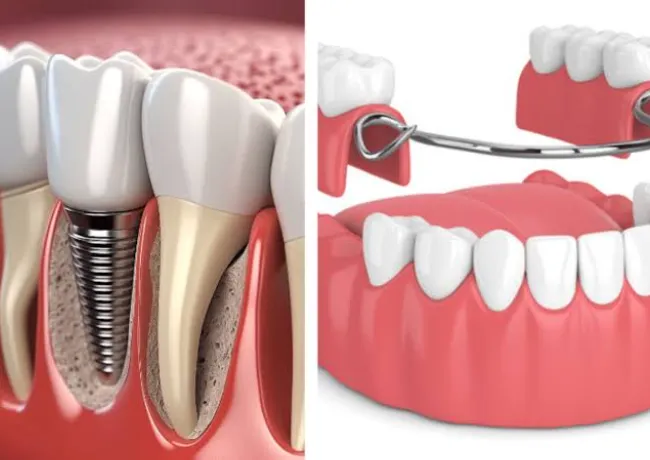
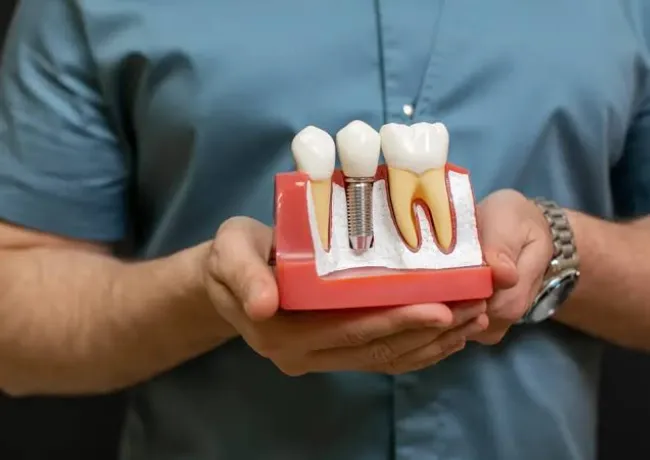
Extraction permanently removes the tooth, creating a gap that often requires replacement with a dental implant, bridge, or denture.
Winner: Root Canal Treatment
Preserving natural teeth is generally considered the best option whenever possible.
Pain and Comfort
Root Canal Treatment
Many people mistakenly believe root canals are painful. Thanks to modern anesthesia and technology, most patients report that a root canal feels similar to getting a dental filling.
Tooth Extraction
The procedure itself is painless due to anesthesia, but recovery often involves more discomfort, swelling, and soreness compared to a root canal.
Winner: Root Canal Treatment
Most patients experience a more comfortable recovery.
Recovery Time
Root Canal Treatment
Most individuals return to normal activities within 24 hours.
Tooth Extraction
Healing can take several days to several weeks, especially if surgery is required.
Winner: Root Canal Treatment
Faster recovery makes root canal treatment more convenient.
Long-Term Oral Health
Root Canal Treatment
Saving a natural tooth helps preserve:
- Jawbone density
- Bite alignment
- Facial structure
- Natural chewing efficiency
Tooth Extraction
Missing teeth can lead to:
- Bone loss
- Teeth shifting out of position
- Bite problems
- Difficulty chewing
- Increased risk of additional dental issues
Winner: Root Canal Treatment
Keeping your natural tooth supports better long-term oral health.
Treatment Cost
Root Canal Treatment
The upfront cost may seem higher, particularly when a dental crown is required.
Tooth Extraction
Extractions are usually less expensive initially. However, replacing the missing tooth with an implant, bridge, or denture can significantly increase the total cost.
Winner: Root Canal Treatment
When considering long-term value, root canal treatment is often more cost-effective.
Success Rate
Root Canal Treatment
Modern root canal procedures have a success rate of over 90% and can last a lifetime with proper care.
Tooth Extraction
While extraction permanently removes the infected tooth, replacement treatments may require additional procedures and maintenance.
Winner: Root Canal Treatment
High success rates make root canals a reliable option for saving teeth.
Advantages of Root Canal Treatment
Preserves Natural Teeth
Your natural tooth remains in place and continues functioning normally.
Maintains Jawbone Health
The tooth root continues stimulating the jawbone, helping prevent bone loss.
Better Aesthetics
A restored natural tooth often looks indistinguishable from surrounding teeth.
Prevents Shifting Teeth
Keeping the tooth in place helps maintain proper alignment.
Improved Functionality
You can chew and speak naturally after treatment.
Advantages of Tooth Extraction
Removes Severely Damaged Teeth
Extraction may be the only option when a tooth cannot be saved.
Eliminates Infection Quickly
In cases of extensive damage, removing the tooth can prevent infection from spreading.
Lower Initial Cost
Extraction is generally less expensive than root canal treatment in the short term.
Useful for Certain Dental Conditions
Impacted wisdom teeth and severely fractured teeth may require extraction.
Potential Drawbacks of Root Canal Treatment
Multiple Appointments
Some cases require more than one visit.
Crown May Be Needed
A crown is often recommended for long-term protection.
Not Suitable for Every Case
Extensively damaged teeth may not be salvageable.
Potential Drawbacks of Tooth Extraction
Permanent Tooth Loss
Once removed, the natural tooth cannot be restored.
Bone Loss Risk
Jawbone deterioration can begin after tooth removal.
Additional Replacement Costs
Implants, bridges, or dentures may be necessary.
Changes in Bite Alignment
Nearby teeth may drift into the empty space.
When Is Root Canal Treatment the Better Choice?
Root canal treatment is generally recommended when:
- The tooth structure is largely intact
- Infection is limited to the pulp
- The tooth can be restored successfully
- Long-term oral health is a priority
- You want to preserve your natural smile
Most dentists prefer root canal treatment whenever a tooth can be saved.
When Is Tooth Extraction the Better Choice?
Extraction may be necessary when:
- The tooth is severely fractured below the gum line
- Decay has destroyed most of the tooth structure
- Advanced periodontal disease has loosened the tooth
- The tooth cannot be restored effectively
- Wisdom teeth are causing complications
In these situations, extraction followed by replacement may provide the best outcome.
What Happens After Tooth Extraction?
If a tooth is extracted, your dentist may recommend:
Dental Implants
The most durable and natural-looking replacement option.
Dental Bridges
A fixed restoration that fills the gap using adjacent teeth.
Partial Dentures
A removable solution for replacing missing teeth.
Replacing extracted teeth is important to prevent future oral health complications.
How Dentists Decide Between Root Canal and Extraction
A dentist evaluates several factors, including:
- Amount of remaining tooth structure
- Severity of infection
- Bone support around the tooth
- Gum health
- Patient age
- Oral hygiene habits
- Long-term prognosis
The goal is always to choose the treatment that offers the best long-term outcome for the patient.
Frequently Asked Questions
Is a root canal better than an extraction?
In most cases, yes. Preserving a natural tooth is usually better for oral health, function, and appearance.
Can a root canal fail?
Although uncommon, root canal treatments can fail if reinfection occurs. Retreatment is often possible.
Is tooth extraction cheaper?
The initial procedure is usually cheaper, but replacement costs can make extraction more expensive over time.
How long does a root canal-treated tooth last?
With proper care and regular dental checkups, a root canal-treated tooth can last for decades or even a lifetime.
Conclusion
Choosing between root canal treatment and tooth extraction depends on the condition of your tooth and your overall oral health. However, whenever possible, preserving a natural tooth is generally the preferred option. Root canal treatment eliminates infection while maintaining the tooth’s structure, function, and appearance.
Tooth extraction remains a valuable solution when a tooth cannot be saved, but it often requires additional restorative treatment to prevent long-term complications.
If you’re experiencing tooth pain or have been advised to choose between a root canal and extraction, consult with Smile Bracefully a qualified dental clinic in Prabhdevi, Mumbai. A thorough examination can determine the best treatment plan to protect your smile for years to come.