How Often Should You Get Your Teeth Cleaned Professionally?
A bright smile is more than just an aesthetic asset—it reflects your overall oral health. While brushing twice a day and flossing regularly are essential habits, they alone cannot remove all plaque and tartar buildup. This is where professional teeth cleaning plays a crucial role.
One of the most common questions dentists hear is: “How often should I get my teeth cleaned professionally?” The answer depends on your oral health condition, lifestyle habits, and risk factors. However, for most people, regular dental cleanings are a vital part of preventive dental care.
In this comprehensive guide, we’ll explore the importance of professional teeth cleaning, how frequently you should schedule appointments, signs that you may need a cleaning sooner, and how professional dental care helps protect your smile for years to come.
What Is Professional Teeth Cleaning?
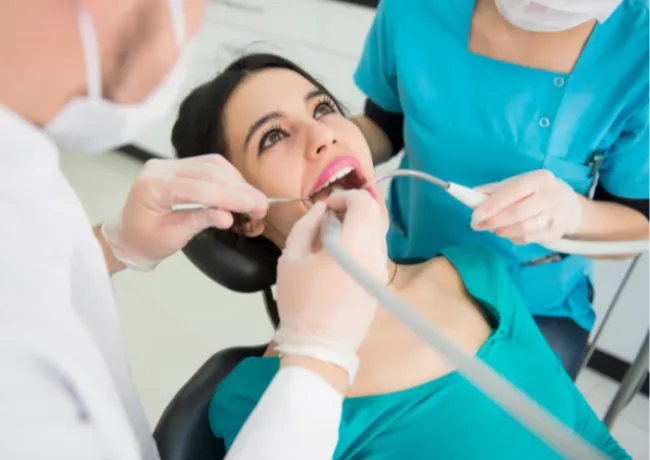
Professional teeth cleaning, also known as dental prophylaxis, is a preventive dental procedure performed by a dentist or dental hygienist to remove plaque, tartar, and stains from teeth.
Even with excellent brushing and flossing habits, certain areas of the mouth are difficult to clean thoroughly. Over time, plaque hardens into tartar, which cannot be removed with a toothbrush alone.
Professional cleaning helps:
- Remove plaque and tartar buildup
- Prevent cavities
- Reduce the risk of gum disease
- Eliminate surface stains
- Improve oral hygiene
- Freshen breath
- Maintain healthy gums
Why Regular Teeth Cleaning Is Important
Many dental problems develop silently without causing pain in the early stages. Professional dental cleanings help detect and prevent issues before they become serious and expensive to treat.
Prevents Gum Disease
Gum disease is one of the leading causes of tooth loss among adults. Plaque and tartar buildup along the gum line can cause inflammation, bleeding gums, and infection.
Routine cleanings help remove harmful bacteria and reduce the risk of gingivitis and periodontitis.
Reduces the Risk of Cavities
Plaque contains bacteria that produce acids capable of eroding tooth enamel. Professional cleanings remove plaque deposits and lower the chances of developing cavities.
Improves Overall Health
Research has linked poor oral health to various systemic conditions, including:
- Heart disease
- Diabetes
- Respiratory infections
- Pregnancy complications
Maintaining healthy teeth and gums contributes to better overall wellness.
Keeps Your Smile Bright
Coffee, tea, wine, tobacco, and certain foods can stain teeth over time. Professional cleaning removes many surface stains and helps restore a brighter smile.
Saves Money in the Long Run
Preventive care is significantly less expensive than treatments such as root canals, crowns, gum surgery, or dental implants. Regular cleanings help avoid costly dental procedures.
How Often Should Most People Get Their Teeth Cleaned?
The General Recommendation: Every Six Months
For most individuals, dentists recommend professional teeth cleaning every six months.
This schedule allows dental professionals to:
- Remove plaque and tartar buildup before it becomes problematic
- Monitor oral health changes
- Detect cavities early
- Identify signs of gum disease
- Provide preventive care
Twice-yearly dental cleanings have long been considered the standard for maintaining good oral health.
Factors That May Require More Frequent Cleanings
While six months is suitable for many people, some individuals may benefit from more frequent visits.
People with Gum Disease
Patients with gingivitis or periodontitis often require professional cleanings every three to four months.
Frequent cleanings help:
- Control bacterial growth
- Reduce inflammation
- Prevent further bone loss
- Maintain gum health
Smokers
Smoking increases plaque accumulation and raises the risk of gum disease, tooth discoloration, and bad breath.
Smokers often benefit from more frequent professional cleanings.
People with Diabetes
Diabetes can affect the body’s ability to fight infection and heal properly. Patients with diabetes are generally at higher risk for gum disease and may require additional preventive care.
Individuals Prone to Cavities
If you frequently develop cavities, your dentist may recommend more regular cleanings and examinations to help protect your teeth.
Orthodontic Patients
Braces, aligners, and other orthodontic appliances can make cleaning teeth more challenging. Food particles and plaque may accumulate around brackets and wires.
Regular cleanings are especially important during orthodontic treatment.
Pregnant Women
Hormonal changes during pregnancy can increase the risk of gum inflammation and bleeding gums. Additional cleanings may be recommended to support oral health throughout pregnancy.
Signs You May Need a Dental Cleaning Sooner
You shouldn’t always wait six months if you’re experiencing oral health concerns.
Consider scheduling an appointment if you notice:
Bleeding Gums
Gums that bleed while brushing or flossing may indicate early gum disease.
Persistent Bad Breath
Chronic bad breath can result from plaque buildup and bacterial accumulation.
Tartar Buildup
Visible yellow or brown deposits near the gum line often indicate hardened tartar.
Tooth Sensitivity
Increased sensitivity may signal gum recession, enamel erosion, or other dental issues.
Swollen or Red Gums
Healthy gums should appear firm and pink. Swelling and redness often suggest inflammation.
Stained Teeth
Professional cleaning can remove many surface stains caused by food, beverages, and tobacco.
What Happens During a Professional Teeth Cleaning?
Many patients feel anxious about dental appointments because they don’t know what to expect. Understanding the process can help you feel more comfortable.
Oral Examination
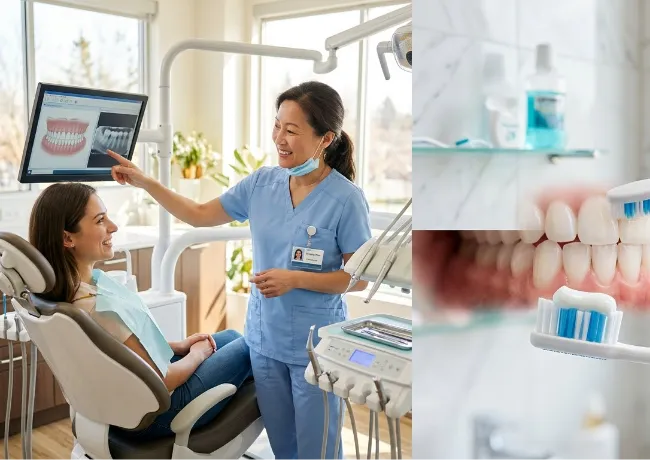
The dentist examines your teeth, gums, and overall oral health to identify any concerns.
Plaque and Tartar Removal
Specialized instruments are used to carefully remove plaque and hardened tartar from tooth surfaces and around the gum line.
Deep Cleaning Between Teeth
Areas that are difficult to reach with a toothbrush receive special attention.
Polishing
A polishing paste is used to smooth tooth surfaces and remove minor stains.
Flossing
Professional flossing helps eliminate debris and ensures a thorough cleaning.
Fluoride Treatment (If Needed)
Some patients may benefit from fluoride treatment to strengthen enamel and reduce cavity risk.
Can You Skip Professional Teeth Cleaning If You Brush Well?
This is a common misconception.
Even individuals with excellent oral hygiene habits cannot remove hardened tartar at home. Professional tools and techniques are required to effectively clean these deposits.
Regular brushing and flossing are essential, but they are not substitutes for professional dental cleanings.
Professional Teeth Cleaning vs Deep Cleaning
Many people confuse routine dental cleaning with deep cleaning.
Routine Cleaning
Suitable for patients with healthy gums and minimal plaque buildup.
Deep Cleaning (Scaling and Root Planing)
Recommended for patients with gum disease. This procedure involves cleaning below the gum line to remove bacteria and tartar from tooth roots.
Your dentist will determine which treatment is appropriate for your oral health needs.
How to Maintain Clean Teeth Between Dental Visits
Professional cleanings work best when combined with consistent at-home care.
Brush Twice Daily
Use a soft-bristled toothbrush and fluoride toothpaste.
Floss Every Day
Flossing removes plaque and food particles from areas a toothbrush cannot reach.
Limit Sugary Foods and Drinks
Excess sugar feeds bacteria that contribute to cavities and gum disease.
Drink Plenty of Water
Water helps wash away food particles and supports saliva production.
Avoid Tobacco Products
Smoking significantly increases the risk of oral health problems.
Visit Your Dentist Regularly
Routine examinations help identify issues before they become severe.
Why Choose Smile Bracefully for Professional Teeth Cleaning in Prabhadevi?
When it comes to maintaining a healthy smile, choosing the right dental clinic matters. At Smile Bracefully, patients receive personalized preventive dental care in a comfortable and modern environment.
As a trusted dental clinic in Prabhadevi, Smile Bracefully offers:
- Comprehensive dental examinations
- Professional teeth cleaning and polishing
- Preventive oral healthcare
- Advanced dental technology
- Experienced dental professionals
- Personalized treatment plans
Whether you’re due for a routine cleaning or need guidance on improving your oral health, Smile Bracefully is committed to helping you achieve a healthier and brighter smile.
Conclusion
Professional teeth cleaning is one of the simplest and most effective ways to protect your oral health. For most people, scheduling a cleaning every six months helps prevent cavities, gum disease, and other dental problems while keeping the smile healthy and bright.
However, individuals with specific risk factors such as gum disease, diabetes, smoking habits, or orthodontic treatment may require more frequent visits.
If you’re looking for expert teeth cleaning and preventive dental care, Smile Bracefully is proud to be a trusted choice for patients seeking professional dental services in Prabhadevi. Regular cleanings today can help ensure a healthier, more confident smile for years to come.
Frequently Asked Questions
Is professional teeth cleaning painful?
Routine dental cleaning is generally painless. Some patients with sensitive gums may experience minor discomfort, but the procedure is usually well-tolerated.
How long does a dental cleaning take?
Most routine teeth cleaning appointments take between 30 and 60 minutes.
Can teeth cleaning whiten teeth?
Professional cleaning removes many surface stains, making teeth appear brighter. However, it is not the same as a professional teeth whitening treatment.
Is professional cleaning safe?
Yes. Professional teeth cleaning is a safe and effective preventive dental procedure performed by trained dental professionals.
What happens if I skip regular cleanings?
Skipping cleanings can lead to plaque and tartar buildup, increasing the risk of cavities, gum disease, bad breath, and tooth loss.