Top 10 Signs You May Need Orthodontic Treatment
Many people assume orthodontic treatment is only about getting straighter teeth for cosmetic reasons. However, orthodontics plays a major role in improving oral health, bite function, jaw alignment, and long-term dental wellness.
Problems like crowded teeth, bite issues, jaw pain, or difficulty chewing may indicate that you need orthodontic care. Early diagnosis and treatment can prevent more serious dental complications in the future.
At Smile Bracefully, we help patients of all ages achieve healthier, more confident smiles through personalized orthodontic treatment plans.
In this guide, we’ll discuss the top signs that may indicate you need orthodontic treatment and when it’s time to consult an orthodontist.
1. Crooked or Crowded Teeth
One of the most obvious signs you may need orthodontic treatment is crooked or crowded teeth.
When teeth overlap or don’t have enough space to align properly, it becomes harder to:
- Brush effectively
- Floss properly
- Maintain oral hygiene
This increases the risk of:
- Tooth decay
- Gum disease
- Plaque buildup
- Bad breath
Crowded teeth can also affect smile confidence and facial aesthetics.
2. Gaps Between Teeth
Large spaces between teeth may occur due to:
- Missing teeth
- Jaw size differences
- Thumb sucking during childhood
- Natural spacing issues
While some gaps are harmless, excessive spacing can affect:
- Bite alignment
- Speech
- Food trapping
- Gum health
Orthodontic treatment including braces can help close gaps and improve both function and appearance.
3. Difficulty Biting or Chewing Food
If chewing feels uncomfortable or difficult, your bite may be misaligned.
Orthodontic problems like:
- Overbite
- Underbite
- Crossbite
- Open bite
…can affect how your upper and lower teeth come together.
Improper bite alignment may lead to:
- Uneven tooth wear
- Jaw stress
- Digestive issues from improper chewing
Interlink Opportunity:
- “Types of Bite Problems Explained”
- “What Is a Malocclusion?”
4. Frequent Jaw Pain or Clicking
Jaw pain, popping sounds, or clicking when opening and closing your mouth may indicate bite or jaw alignment issues.
In some cases, orthodontic treatment can help reduce stress on the jaw joints and improve overall function.
Symptoms may include:
- Jaw soreness
- Headaches
- Facial pain
- Difficulty opening the mouth fully
5. Teeth That Don’t Align Properly
When your upper and lower teeth do not fit together correctly, it may lead to:
- Bite imbalance
- Tooth grinding
- Speech problems
- Jaw discomfort
Orthodontic treatment helps create proper alignment for improved function and comfort.
Common Bite Problems Include:
- Overbite
- Underbite
- Crossbite
- Open bite
6. Mouth Breathing
Chronic mouth breathing may sometimes be linked to jaw structure or orthodontic issues.
Mouth breathing can contribute to:
- Dry mouth
- Sleep issues
- Increased cavity risk
- Facial development concerns in children
An orthodontic evaluation may help identify underlying alignment issues affecting airflow and breathing.
7. Speech Difficulties
Certain orthodontic issues can affect speech clarity.
Misaligned teeth or jaw positioning may contribute to:
- Lisping
- Difficulty pronouncing certain sounds
- Speech irregularities
Correcting alignment issues often improves speech and pronunciation.
8. Frequent Teeth Grinding or Clenching
Teeth grinding (bruxism) may occur due to stress, sleep disorders, or bite misalignment.
Over time, grinding can cause:
- Tooth wear
- Cracks and fractures
- Jaw pain
- Headaches
Orthodontic treatment may help reduce grinding caused by improper bite alignment.
9. Early or Late Loss of Baby Teeth in Children
Children who lose baby teeth too early or too late may develop alignment issues as permanent teeth erupt.
Early orthodontic evaluations help identify:
- Jaw growth concerns
- Spacing problems
- Crowding risks
- Bite development issues
The American Association of Orthodontists recommends children have their first orthodontic evaluation by age 7.
10. Low Confidence in Your Smile
Many people seek orthodontic treatment because they feel self-conscious about their smile.
Smile confidence can affect:
- Social interactions
- Professional confidence
- Self-esteem
Modern orthodontic solutions like clear aligners and Invisalign offer discreet ways to straighten teeth comfortably.
Why Early Orthodontic Treatment Matters
Ignoring orthodontic issues can lead to long-term complications such as:
- Tooth wear
- Gum disease
- Jaw pain
- Difficulty cleaning teeth
- Increased dental treatment costs later
Early diagnosis often makes treatment:
- Faster
- More effective
- Less complicated
Common Orthodontic Treatment Options
Depending on your condition, treatment may include:
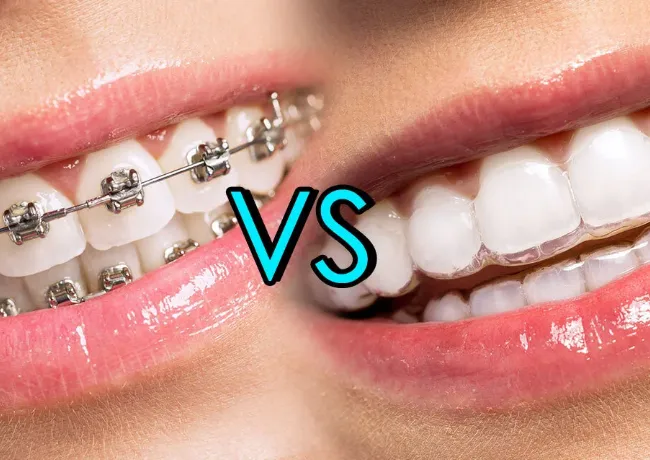
Traditional Metal Braces
Effective for correcting complex alignment and bite issues.
Ceramic Braces
Less noticeable than metal braces while offering similar effectiveness.
Invisalign Clear Aligners
A discreet and removable option popular among teens and adults.
Retainers
Used after treatment to maintain alignment results.
Interlink Opportunity:
- “Invisalign vs Braces: Which Is Better?”
- “How Long Does Orthodontic Treatment Take?”
When Should You Visit an Orthodontist?
You should consider scheduling an orthodontic consultation if you notice:
- Crooked teeth
- Bite problems
- Jaw pain
- Teeth grinding
- Difficulty chewing
- Speech concerns
- Smile confidence issues
At Smile Bracefully, our team provides personalized orthodontic evaluations to help determine the best treatment plan for your needs.
Final Thoughts
Orthodontic treatment is about much more than appearance. Properly aligned teeth and jaws contribute to better oral health, improved comfort, enhanced function, and greater confidence.
If you’re experiencing any of these signs, an orthodontic consultation can help identify the underlying issue before it becomes more serious.
Whether you’re considering braces, Invisalign, or early orthodontic care for your child, Smile Bracefully is committed to helping you achieve a healthier and more confident smile.