Dental Myths vs Facts: What Every Patient Should Know
Dental health is surrounded by myths. Some have been passed down through families for generations, while others spread quickly through social media, advertisements, or casual conversations.
The problem is that believing the wrong information can affect the way people care for their teeth and gums. It may lead someone to delay a dental visit, ignore early warning signs, avoid necessary treatment, or follow an oral care routine that is not appropriate for their needs.
Good oral health starts with accurate information.
In this article, we separate some of the most common dental myths from the facts to help you make more informed decisions about your teeth, gums, and smile.
Myth 1: If My Teeth Don’t Hurt, There Is No Dental Problem
Fact: Many dental problems do not cause pain in their early stages.
Pain is often a sign that a dental problem has progressed, but not every issue causes immediate discomfort.
For example, early tooth decay may not be painful. Gum disease can also develop gradually, and many people may not notice significant symptoms until the condition has advanced.
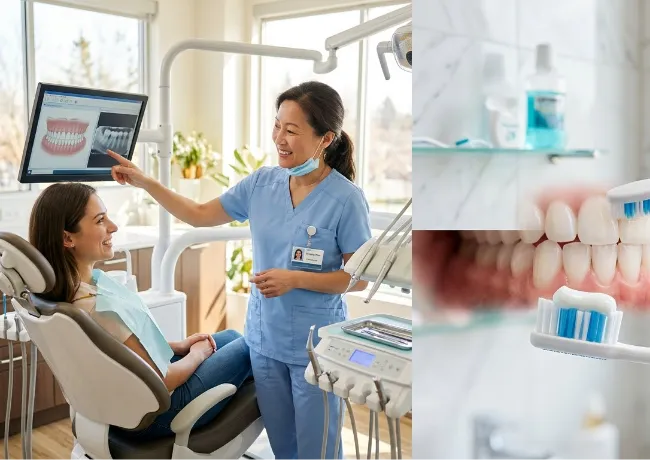
This is one reason routine dental check-ups are important. A dentist may identify potential concerns before they become more complex or uncomfortable.
Do not wait for severe pain before booking a dental appointment. Regular examinations can help monitor your oral health and identify problems that may not yet be obvious.
Myth 2: Brushing Harder Cleans Your Teeth Better
Fact: Brushing technique matters more than brushing force.
Using excessive pressure while brushing does not necessarily remove more plaque. In fact, aggressive brushing may contribute to irritation of the gums and wear of the tooth surface.
A better approach is to use a soft-bristled toothbrush and clean your teeth using a gentle, thorough technique.
Pay attention to:
- The outer surfaces of your teeth
- The inner surfaces
- Chewing surfaces
- The gumline
- Areas that are difficult to reach
The goal is effective plaque removal, not aggressive scrubbing.
If you are unsure whether you are brushing correctly, ask your dentist or dental hygienist to demonstrate a suitable technique.
Myth 3: Bleeding Gums Are Normal
Fact: Bleeding gums should not be ignored.
Occasional irritation can occur, but gums that bleed regularly while brushing or flossing may indicate inflammation or another oral health concern.
Plaque accumulation near the gumline can contribute to gum inflammation. If the issue is left unaddressed, it may require professional evaluation and treatment.
Some people stop brushing or flossing around areas that bleed. This can actually allow plaque to continue accumulating.
Instead of ignoring persistent bleeding, schedule a dental examination to determine the underlying cause.
Myth 4: Sugar Is the Only Cause of Cavities
Fact: Cavities develop through a combination of factors.
Frequent consumption of sugary foods and drinks can increase the risk of tooth decay, but sugar alone is not the complete explanation.
Bacteria in the mouth use carbohydrates from food and drinks and produce acids that can contribute to the breakdown of tooth enamel over time.
Other factors can also influence cavity risk, including:
- Oral hygiene habits
- Frequency of sugary or acidic food and drinks
- Fluoride exposure
- Saliva production
- Tooth structure
- Existing dental restorations
- Overall dietary patterns
It is not only about how much sugar you consume. The frequency of exposure can also matter.
Myth 5: You Only Need to See a Dentist When Something Is Wrong
Fact: Preventive dental visits are an important part of oral healthcare.
Waiting until you have pain, swelling, or a visible problem may allow a condition to become more advanced.
Regular dental visits can help with:
- Monitoring oral health
- Identifying early signs of decay
- Evaluating gum health
- Checking existing fillings, crowns, or other restorations
- Professional cleaning when recommended
- Discussing changes in your oral health
The appropriate frequency of dental visits varies from person to person. Your dentist can recommend a schedule based on your individual oral health needs.
Myth 6: Flossing Is Not Necessary If You Brush Twice a Day
Fact: A toothbrush does not always clean effectively between teeth.
Brushing is essential, but the toothbrush may not reach all areas between adjacent teeth.
Cleaning between the teeth can help remove plaque and food debris from areas that brushing alone may miss.
Depending on your dental condition and the spaces between your teeth, your dentist may recommend options such as:
- Dental floss
- Interdental brushes
- Water flossing devices
- Other interdental cleaning aids
The most suitable method depends on your individual needs.
Myth 7: Bad Breath Means You Don’t Brush Properly
Fact: Bad breath can have several possible causes.
Poor oral hygiene can contribute to bad breath, but it is not the only reason.
Possible oral causes may include:
- Plaque accumulation
- Gum problems
- Food trapped between teeth
- Tongue coating
- Tooth decay
- Dry mouth
Persistent bad breath may require a professional evaluation to identify the possible cause.
Simply using mouthwash may temporarily mask the smell without addressing the underlying issue.
Myth 8: Baby Teeth Are Not Important Because They Eventually Fall Out
Fact: Baby teeth play an important role in a child’s oral development.
Primary teeth help children chew, speak, and maintain space for permanent teeth.
Untreated problems in baby teeth can still cause discomfort and may affect oral health.
Children should develop good oral hygiene habits from an early age, and parents should seek professional dental advice regarding appropriate preventive care and check-ups.
Myth 9: Dental Treatment Is Always Painful
Fact: Modern dentistry offers several ways to improve patient comfort.
Dental anxiety is common, and some people avoid treatment because they expect it to be painful.
Modern dental techniques, local anaesthesia, and treatment planning can help manage discomfort during many procedures.
The experience varies depending on the type of treatment and the individual patient.
If you feel anxious about dental treatment, tell your dentist. Discussing your concerns beforehand can help the dental team explain the procedure, available comfort measures, and what you can expect.
Myth 10: Whiter Teeth Are Always Healthier Teeth
Fact: Tooth colour alone does not determine oral health.
Natural teeth vary in colour. Some perfectly healthy teeth may have a naturally darker or more yellow shade.
Similarly, very white teeth do not automatically indicate healthy gums or the absence of cavities.
Oral health should be evaluated based on factors such as:
- Condition of the teeth
- Gum health
- Presence of decay
- Oral hygiene
- Bite and function
- Other clinical findings
Aesthetic dentistry and oral health are related, but they are not the same thing.
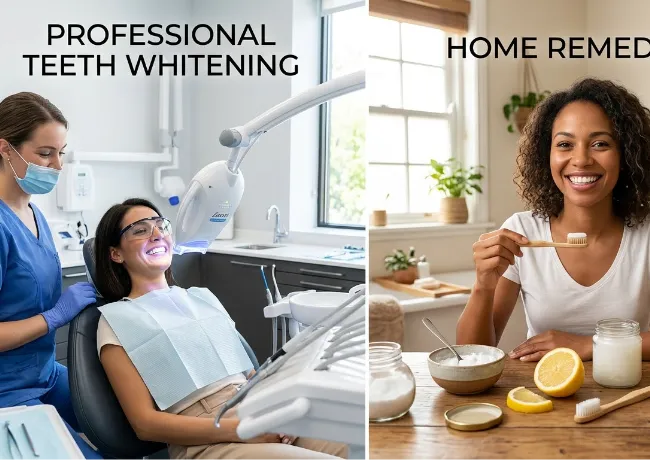
Myth 11: Teeth Whitening Damages Teeth
Fact: Professional guidance is important when considering whitening.
Tooth whitening can be an appropriate cosmetic treatment for some patients, but not everyone is a suitable candidate.
Before whitening, it is important to assess factors such as:
- Tooth sensitivity
- Existing cavities
- Gum health
- Crowns, veneers, or fillings
- The cause of tooth discolouration
Overusing whitening products or using them incorrectly may lead to sensitivity or other concerns.
A dental professional can help determine whether whitening is appropriate and discuss suitable treatment options.
Myth 12: If a Filling Doesn’t Hurt, It Never Needs to Be Checked
Fact: Existing dental restorations should be monitored.
Fillings, crowns, bridges, and other restorations can experience wear over time.
A restoration may develop problems around its edges or beneath the visible surface without causing immediate pain.
Regular dental examinations allow your dentist to evaluate existing dental work and identify whether any maintenance or treatment is needed.
Myth 13: Missing Teeth Are Only a Cosmetic Problem
Fact: Missing teeth can affect more than appearance.
Depending on the location and number of missing teeth, tooth loss can affect:
- Chewing
- Speech
- Bite function
- The way remaining teeth are positioned
- Confidence and smile appearance
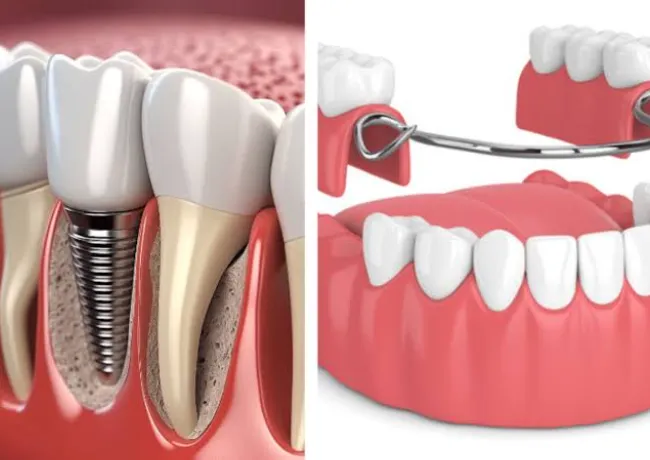
There are several options for replacing missing teeth, including:
- Dental implants
- Bridges
- Partial dentures
- Complete dentures
- Implant-supported restorations
The most appropriate option depends on your oral condition, treatment goals, and other individual factors.
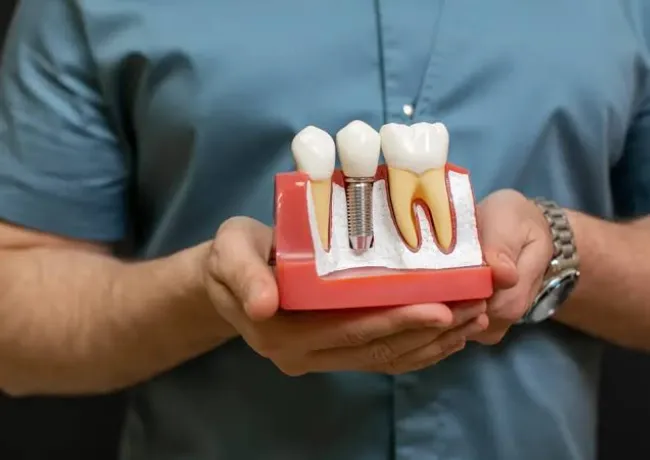
Myth 14: Dental Implants Are Suitable for Everyone
Fact: Dental implant suitability requires an individual evaluation.
Dental implants can be an effective option for replacing missing teeth, but treatment is not automatically appropriate for every patient.
Your dentist may evaluate:
- Gum health
- Jawbone quantity and quality
- Oral hygiene
- Number and position of missing teeth
- Medical history
- Healing considerations
- Other relevant factors
Some patients may require additional treatment before implant placement can be considered.
A consultation and appropriate diagnostic evaluation are essential before deciding whether implants are suitable.
Myth 15: Dentures Are Only for Older People
Fact: Dentures can be used by adults of different ages.
Age alone does not determine whether someone needs dentures.
Dentures may be recommended for people who have lost multiple or all teeth due to a variety of reasons.
The type of tooth replacement that is appropriate depends on the individual’s oral condition and treatment needs rather than age alone.
Myth 16: Orthodontic Treatment Is Only for Teenagers
Fact: Orthodontic treatment may be an option for suitable patients of different age groups.
While orthodontic treatment is common during adolescence, adults may also seek treatment to address concerns related to tooth alignment, spacing, crowding, or bite.
Treatment options and suitability depend on factors such as:
- Oral health
- Gum condition
- Bone support
- Tooth position
- Bite
- Individual treatment goals
An orthodontic assessment can help determine which options may be appropriate.
Myth 17: Crooked Teeth Are Only a Cosmetic Concern
Fact: Tooth alignment can also affect oral hygiene and function.
Crooked or crowded teeth may make certain areas more difficult to clean.
Some alignment and bite problems can also influence how teeth contact each other during biting and chewing.
However, not every case of crooked teeth requires orthodontic treatment. A dentist or orthodontist can assess whether treatment is recommended based on both oral health and functional considerations.
Myth 18: Braces Are the Only Way to Straighten Teeth
Fact: Different orthodontic treatment options may be available.
Depending on the patient’s dental condition, treatment options may include:
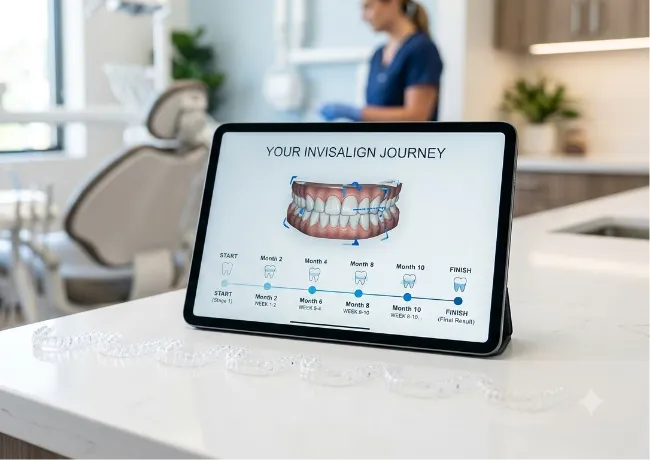
- Conventional braces
- Ceramic braces
- Clear aligners
- Other orthodontic appliances
Not every option is suitable for every type of orthodontic problem.
A professional assessment is necessary to determine which treatment approach may be appropriate.
Myth 19: You Should Stop Flossing If Your Gums Bleed
Fact: Persistent gum bleeding needs attention, not avoidance.
If your gums bleed when you clean between your teeth, do not simply ignore the issue.
In many cases, gum inflammation may be associated with plaque accumulation. Improving oral hygiene may be part of the solution, but persistent or significant bleeding should be evaluated by a dental professional.
Your dentist can recommend the appropriate cleaning method and investigate the possible cause.
Myth 20: Mouthwash Can Replace Brushing and Flossing
Fact: Mouthwash is not a substitute for mechanical cleaning.
Mouthwash may have a role in an oral hygiene routine, depending on the product and your dental needs.
However, rinsing alone does not replace brushing your teeth or cleaning between them.
A complete oral care routine should be based on professional recommendations and may include:
- Brushing
- Interdental cleaning
- Fluoride use where appropriate
- Tongue cleaning
- Regular dental visits
Myth 21: Dental Problems Will Fix Themselves
Fact: Most dental conditions require monitoring or treatment.
A cavity does not generally reverse once a significant structural defect has formed. Gum problems may also progress if the underlying cause is not addressed.
Ignoring symptoms may allow a manageable problem to become more complex.
If you experience:
- Persistent tooth pain
- Swelling
- Bleeding gums
- A loose tooth
- Sensitivity
- Difficulty chewing
- A broken tooth or restoration
it is advisable to seek professional dental advice.
Why Dental Misinformation Can Be Harmful
Dental myths may seem harmless, but they can influence important health decisions.
For example, believing that:
“No pain means no problem”
may delay the diagnosis of decay or gum disease.
Believing that:
“Bleeding gums are normal”
may lead someone to ignore persistent inflammation.
And believing that:
“Dental treatment is always painful”
may cause unnecessary anxiety and delay needed care.
Accurate information allows patients to make decisions based on their actual oral health needs rather than fear, assumptions, or misinformation.
How to Build a Better Oral Care Routine
A good oral care routine does not need to be complicated, but it should be consistent.
For many people, this includes:
Brush Regularly
Use an appropriate toothbrush and toothpaste, and clean all tooth surfaces gently and thoroughly.
Clean Between Your Teeth
Use floss, interdental brushes, or another method recommended for your specific needs.
Pay Attention to Your Gums
Healthy gums are an important part of oral health. Persistent bleeding, swelling, or discomfort should be professionally evaluated.
Limit Frequent Sugary Exposure
Consider not only the quantity of sugary foods and drinks but also how frequently your teeth are exposed to them.
Stay Hydrated
Adequate saliva plays an important role in oral health. If you frequently experience dry mouth, discuss it with a healthcare professional.
Attend Regular Dental Check-Ups
The appropriate schedule varies from person to person. Your dentist can recommend how often you should be examined based on your oral health.
When Should You See a Dentist?
You should consider booking a dental appointment if you experience:
- Persistent toothache
- Bleeding or swollen gums
- Tooth sensitivity that does not improve
- Bad breath that persists despite oral hygiene
- A chipped, cracked, or broken tooth
- A loose tooth
- Difficulty chewing
- Jaw discomfort
- Problems with an existing filling, crown, denture, or implant
- Changes in the appearance of your teeth or gums
Early evaluation can help identify the cause and determine whether treatment is needed.
Final Thoughts: Good Dental Health Starts With the Right Information
There is no shortage of dental advice online, but not all of it is accurate or appropriate for every individual.
The best approach is to separate myths from evidence-based guidance and avoid making major decisions about your oral health based solely on social media trends, advertisements, or advice from non-professional sources.
Your teeth, gums, bite, and oral health needs are unique.
What works for one person may not be appropriate for another.
Regular dental care, consistent oral hygiene, and professional guidance can help you make informed choices and address potential problems before they become more complicated.
Talk to the Team at Smile Bracefully
If you have questions about your oral health, persistent dental symptoms, or treatment options, a professional dental consultation can help provide guidance based on your individual needs.
At Smile Bracefully, patients can discuss concerns related to preventive dental care, teeth alignment, missing teeth, cosmetic dentistry, and other oral health needs with a qualified dental professional.
The first step toward better oral health is often simple: ask questions, get accurate information, and seek professional advice when something does not feel right.