Invisalign vs Traditional Braces: Which Orthodontic Treatment Is Right for You?
A straight, healthy smile is about much more than appearance. Properly aligned teeth improve oral hygiene, bite function, speech, jaw comfort, and overall confidence. Today, orthodontic treatment has evolved significantly, giving patients more options than ever before.
Two of the most popular orthodontic treatments are Invisalign clear aligners and traditional braces. Both are highly effective for correcting misaligned teeth and bite issues, but they work differently and offer unique advantages.
Choosing the right option depends on several factors, including:
- The complexity of your dental condition
- Your lifestyle
- Your age
- Budget considerations
- Personal preferences
- Treatment goals
In this guide, we’ll compare Invisalign and traditional braces in detail to help you understand which orthodontic treatment may be best for your needs.
What Is Invisalign?
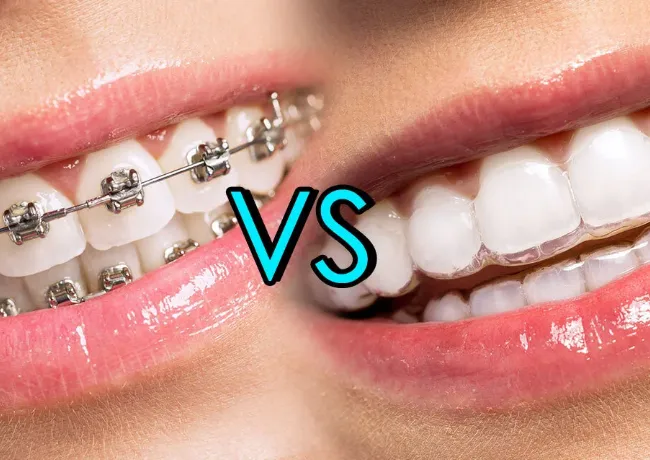
Invisalign is a modern orthodontic treatment that uses a series of custom-made clear aligners to gradually move teeth into the desired position.
The aligners are:
- Transparent
- Removable
- Custom-fitted
- Nearly invisible when worn
Each set of aligners is worn for about 1–2 weeks before progressing to the next set.
Invisalign is popular among:
- Adults
- Working professionals
- Teenagers
- Patients seeking discreet orthodontic treatment
What Are Traditional Braces?
Traditional braces use metal or ceramic brackets attached to the teeth along with wires and elastic bands to gradually shift teeth into alignment.
Braces remain one of the most effective orthodontic treatments for:
- Complex alignment issues
- Severe crowding
- Significant bite correction
- Jaw alignment problems
Modern braces are smaller, more comfortable, and more advanced than older versions.
How Invisalign Works
The Invisalign process usually includes:
1. Initial Consultation
Your orthodontist evaluates:
- Teeth alignment
- Bite issues
- Jaw structure
- Treatment suitability
2. Digital Scanning & Treatment Planning
3D scans create a customized treatment plan showing how teeth will move over time.
3. Custom Aligners Are Created
A series of aligners is manufactured specifically for your teeth.
4. Wearing the Aligners
Patients wear aligners for:
- 20–22 hours daily
- Removing them only for eating, drinking, brushing, and flossing
5. Regular Progress Checkups
Periodic visits ensure treatment is progressing correctly.
How Traditional Braces Work
Traditional braces use continuous pressure to move teeth gradually.
Main Components Include:
- Brackets
- Archwires
- Elastic bands
During regular orthodontic appointments:
- Wires are adjusted
- Tightening is performed
- Tooth movement is monitored
Treatment progresses steadily until the desired alignment is achieved.
Invisalign vs Traditional Braces: Key Differences
Appearance
Invisalign
One of Invisalign’s biggest advantages is aesthetics.
The clear aligners are:
- Nearly invisible
- Discreet in social and professional settings
- Popular among adults and teens
Traditional Braces
Metal braces are more visible because brackets and wires remain attached to the teeth.
However, ceramic braces offer a less noticeable alternative.
Best Choice for Appearance:
Invisalign
Comfort
Invisalign
Smooth plastic aligners usually cause less irritation to:
- Cheeks
- Lips
- Gums
There are no sharp brackets or wires.
Traditional Braces
Braces may initially cause:
- Mouth soreness
- Irritation
- Minor cuts from brackets or wires
Adjustments can temporarily increase discomfort.
Best Choice for Comfort:
Invisalign
Effectiveness for Complex Cases
Invisalign
Invisalign works very well for:
- Mild to moderate crowding
- Spacing issues
- Minor bite problems
However, severe orthodontic conditions may require braces.
Traditional Braces
Braces are often better for:
- Severe crowding
- Major bite correction
- Complex tooth movements
- Significant jaw alignment issues
Best Choice for Complex Cases:
Traditional Braces
Removability
Invisalign
Aligners are removable, allowing patients to:
- Eat comfortably
- Brush easily
- Floss properly
Traditional Braces
Braces remain fixed throughout treatment and cannot be removed by patients.
Best Choice for Flexibility:
Invisalign
Food Restrictions
Invisalign
No major food restrictions because aligners are removed while eating.
Traditional Braces
Certain foods should be avoided, including:
- Sticky candy
- Hard foods
- Popcorn
- Nuts
- Chewing gum
These foods may damage brackets or wires.
Best Choice for Eating Freedom:
Invisalign
Oral Hygiene
Invisalign
Maintaining oral hygiene is easier because aligners are removable.
Patients can brush and floss normally.
Traditional Braces
Cleaning around brackets and wires requires extra effort.
Food particles can become trapped easily.
Best Choice for Oral Hygiene:
Invisalign
Treatment Duration
Treatment time varies depending on complexity.
Invisalign
Average treatment time:
- 6–18 months
Traditional Braces
Average treatment time:
- 18–36 months
Complex cases may take longer with either option.
Faster Option:
Depends on individual treatment needs
Patient Discipline Requirements
Invisalign
Success depends heavily on patient compliance.
Aligners must be worn consistently for:
- 20–22 hours daily
Failure to wear aligners properly can delay results.
Traditional Braces
Braces work continuously because they are fixed to the teeth.
Less patient discipline is required.
Best Choice for Younger Patients:
Traditional Braces
Cost Comparison
Costs vary based on:
- Treatment complexity
- Location
- Orthodontist experience
- Treatment duration
Invisalign
Generally:
- Slightly more expensive
- Especially for complex cases
Traditional Braces
Usually:
- More affordable
- Widely accessible
Budget-Friendly Option:
Traditional Braces
Invisalign Pros and Cons
Pros
- Nearly invisible
- Comfortable to wear
- Removable
- Easier oral hygiene
- No food restrictions
- Fewer emergency visits
Cons
- Requires discipline
- Can be misplaced
- Not ideal for all complex cases
- Usually more expensive
Traditional Braces Pros and Cons
Pros
- Highly effective for complex cases
- No compliance issues
- Often more affordable
- Suitable for all ages
Cons
- More visible
- Food restrictions
- Harder to clean
- May cause irritation
Which Treatment Is Better for Teenagers?
Both Invisalign Teen and braces can work well for teens.
Invisalign May Be Better If:
- The teen is responsible
- Appearance matters significantly
- Sports or public activities are important
Braces May Be Better If:
- Severe orthodontic correction is needed
- Compliance may be an issue
- Teeth require significant movement
Which Option Is Better for Adults?
Many adults prefer Invisalign because:
- It is discreet
- Fits professional lifestyles
- Allows easier maintenance
However, traditional braces may still be recommended for more advanced orthodontic corrections.
Factors to Consider Before Choosing
Before deciding between Invisalign and braces, consider:
1. Complexity of Your Case
Severe bite and alignment issues may require braces.
2. Lifestyle Preferences
Do you prefer removable aligners or fixed treatment?
3. Budget
Braces are often more affordable.
4. Appearance Concerns
Invisalign offers a more discreet appearance.
5. Discipline Level
Invisalign requires commitment and consistent wear.
Why Professional Orthodontic Evaluation Matters
Every smile is unique.
An experienced orthodontist will evaluate:
- Tooth alignment
- Bite condition
- Jaw structure
- Oral health
- Treatment goals
This helps determine the most effective treatment plan for long-term results.
Final Thoughts
Both Invisalign and traditional braces are highly effective orthodontic treatments that can transform your smile and improve oral health.
Invisalign is ideal for patients seeking:
- A discreet appearance
- Comfort
- Flexibility
- Easier maintenance
Traditional braces remain the best choice for:
- Complex orthodontic cases
- Severe bite correction
- Predictable tooth movement
Ultimately, the best treatment depends on your individual dental condition, lifestyle, and goals.
Consulting an experienced orthodontist is the best way to determine whether Invisalign or traditional braces is right for you.