Teeth Whitening: Professional Treatment vs Home Remedies
A bright, healthy-looking smile can make a noticeable difference to your appearance and confidence. However, when teeth become yellow or stained, many people wonder whether professional teeth whitening is necessary or whether home remedies can deliver similar results.
There are numerous DIY teeth-whitening tips online, ranging from baking soda and fruit-based mixtures to activated charcoal and oil pulling. At the same time, professional teeth whitening performed under dental supervision uses established whitening agents and allows the dentist to assess your teeth and gums before treatment.
So, which option is right for you?
The answer depends on the type and cause of your tooth discoloration, your oral health, your expectations, and the method being considered.
What Causes Teeth to Become Yellow or Stained?
Tooth discoloration can occur for several reasons. Some stains develop on the outer surface of the teeth, while others are associated with changes within the tooth.
Common causes include:
- Regular consumption of coffee and tea
- Tobacco or smoking
- Red wine and other deeply pigmented beverages
- Certain foods and sauces
- Inadequate oral hygiene
- Age-related changes in enamel and dentin
- Certain medications
- Dental trauma
- Naturally darker tooth colour
The American Dental Association (ADA) distinguishes between extrinsic stains, which occur primarily on the tooth surface, and intrinsic discoloration, which occurs within the tooth. The type of discoloration can influence how effectively different whitening methods work.
What Is Professional Teeth Whitening?
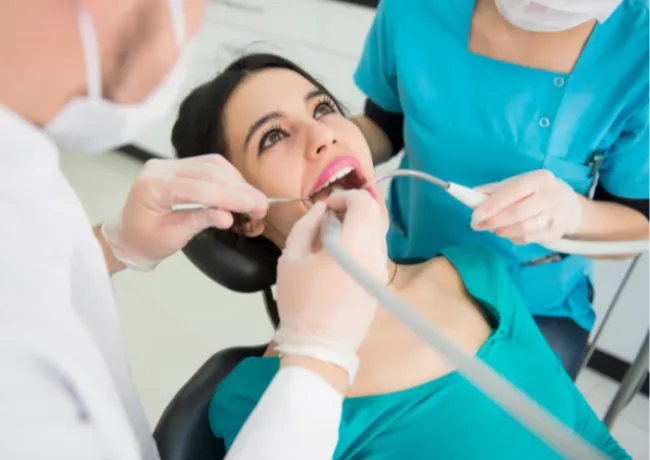
Professional teeth whitening is a cosmetic dental procedure performed or supervised by a dental professional.
Depending on the patient’s needs, treatment may involve an in-office whitening procedure or dentist-supervised whitening using custom trays at home.
Professional whitening commonly uses peroxide-based whitening agents such as hydrogen peroxide or carbamide peroxide. These agents work by breaking down compounds responsible for darker tooth coloration.
Before recommending whitening, a dentist can examine the condition of your teeth and gums and determine whether whitening is appropriate.
This is particularly important if you have:
- Tooth sensitivity
- Cavities
- Gum inflammation
- Cracked or damaged teeth
- Existing dental restorations
- Significant intrinsic discoloration
Whitening is a cosmetic treatment and does not replace treatment for underlying dental problems.
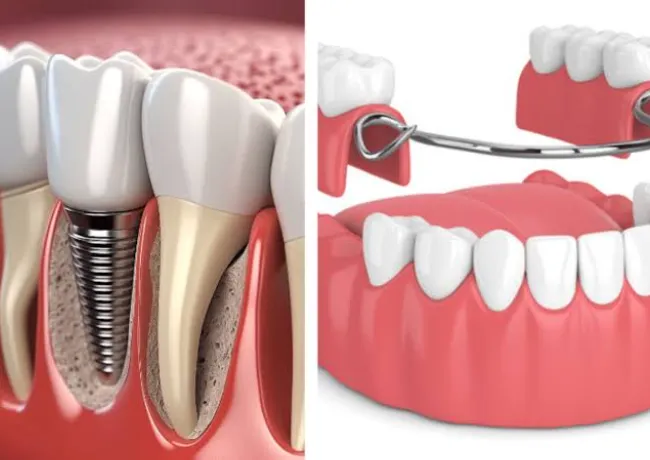
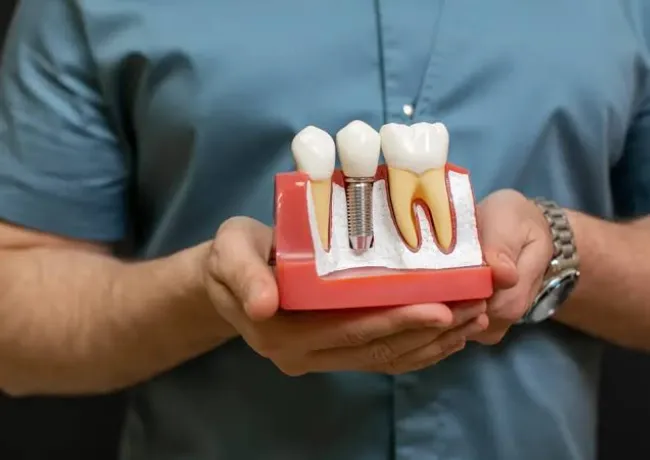
Dental Implant Vs Dentures
How Does Professional Teeth Whitening Work?
The exact procedure depends on the whitening system being used, but an in-office treatment generally involves several stages.
1. Dental Examination
Your dentist first assesses your teeth and gums. Existing cavities, gum problems or other oral-health concerns may need to be addressed before cosmetic whitening.
2. Shade Assessment
Your current tooth shade may be recorded so that the change can be evaluated after treatment.
3. Protection of the Gums
Because whitening agents can irritate soft tissues, the dentist takes precautions to protect the gums and surrounding tissues.
4. Application of Whitening Gel
A professionally selected whitening gel is applied to the teeth according to the treatment protocol.
5. Treatment and Monitoring
The dentist monitors the treatment and adjusts the process when necessary.
6. Post-Treatment Guidance
You may receive advice about sensitivity, oral hygiene and foods or drinks that can contribute to staining.
Professional treatment can provide faster visible results than many over-the-counter or home approaches, although the outcome varies from person to person.
What Are Home Teeth Whitening Methods?
Home whitening covers several different approaches.
These include:
- Whitening toothpaste
- Whitening strips
- Whitening gels
- Dentist-provided custom trays
- Over-the-counter whitening trays
- Various DIY or natural whitening remedies
It is important to distinguish between dentist-supervised home whitening and unregulated DIY methods.
Dentist-provided custom trays use professionally selected products and instructions. Over-the-counter products are designed for self-use and can vary in concentration, application method and effectiveness.
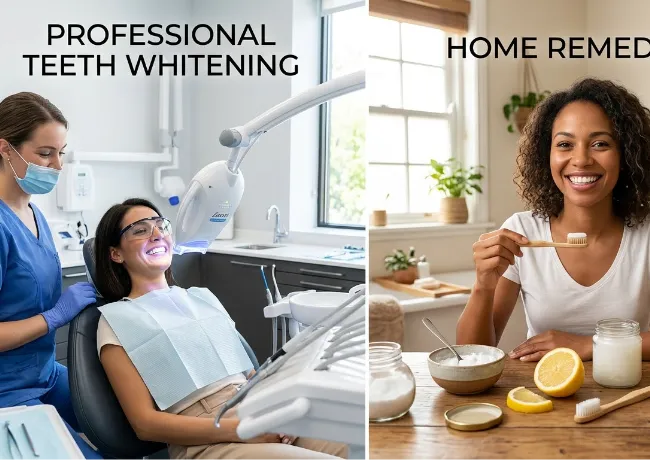
Professional Teeth Whitening vs Home Remedies
The biggest difference is the level of professional assessment, control and evidence behind the treatment.
| Factor | Professional Whitening | Home Remedies |
| Dental examination | Yes | Usually no |
| Treatment supervision | Yes | No |
| Whitening agents | Professionally selected | Varies |
| Speed of results | Generally faster | Usually slower or unpredictable |
| Treatment customization | Can be customized | Limited |
| Suitable for intrinsic stains | May help depending on cause | Often limited |
| Risk assessment | Dentist can assess suitability | Often absent |
| Evidence for effectiveness | Established for appropriate products | Varies considerably |
| Risk of misuse | Lower under supervision | Higher with improper use |
The right option depends on the cause of discoloration and the condition of your teeth rather than simply choosing the strongest whitening product.
Are Home Remedies Safe for Teeth Whitening?
Not every natural or DIY whitening method is necessarily safe for your teeth.
Commonly promoted methods include baking soda mixtures, lemon or other acidic fruits, activated charcoal and oil pulling. However, evidence supporting many of these methods for meaningful tooth whitening is limited.
The ADA notes that studies of some DIY approaches have raised concerns about effectiveness and potential abrasion. For example, research involving charcoal and salt mixtures found abrasive effects, while evidence for oil pulling as a tooth-whitening method is lacking.
Why Acidic Ingredients Can Be a Concern
Acidic substances can affect dental enamel. Repeated exposure may contribute to enamel erosion, particularly when combined with aggressive brushing.
Why Excessive Abrasion Can Be a Concern
Using highly abrasive substances repeatedly can wear the outer tooth surface. Removing enamel does not necessarily make teeth healthier or whiter and may make the underlying dentin more visible.
Why Activated Charcoal Is Not a Guaranteed Whitening Solution
Charcoal products are widely marketed for whitening, but the ADA reports insufficient evidence to establish adequate safety and effectiveness for charcoal-based tooth-whitening approaches.
For these reasons, a “natural” method should not automatically be considered safer than a professionally assessed whitening treatment.
Is Professional Teeth Whitening Better Than Home Remedies?
Professional whitening and home whitening should not simply be viewed as competing options.
For someone who wants predictable cosmetic improvement and has healthy teeth and gums, dentist-supervised treatment can provide a more controlled approach.
On the other hand, some people may prefer dentist-provided take-home trays or appropriate over-the-counter products when a slower whitening process is acceptable.
The important distinction is between evidence-based whitening products and untested DIY methods.
What About Whitening Toothpaste?
Whitening toothpaste can be useful for managing surface stains.
Many whitening toothpastes work primarily through ingredients that help remove extrinsic stains from the tooth surface. They should not be expected to dramatically change the natural internal colour of the teeth.
If your teeth have deeper or intrinsic discoloration, toothpaste alone may not produce the result you are looking for.
Can Teeth Whitening Cause Sensitivity?
Temporary tooth sensitivity is one of the most common side effects associated with teeth whitening.
Gum irritation can also occur, particularly when whitening products come into contact with the gums or are used incorrectly. The likelihood and intensity of sensitivity can vary depending on factors such as the whitening agent, concentration, exposure time and individual susceptibility.
If you already experience sensitive teeth, tell your dentist before starting a whitening treatment.
A dental professional can help determine whether whitening is appropriate and how treatment can be planned around your oral-health needs.
Will Teeth Whitening Whiten Crowns, Veneers or Fillings?
No.
Whitening treatments act on natural tooth structure and do not whiten tooth-coloured restorations in the same way. This includes certain crowns, veneers, fillings and other restorative materials.
The ADA specifically notes that only natural teeth can be whitened.
This is why a dental examination is useful before cosmetic whitening. If you have visible restorations on your front teeth, whitening may change the shade of your natural teeth without changing the colour of the existing restoration.
Who May Need a Dental Examination Before Whitening?
A dental consultation is particularly important if you have:
- Untreated cavities
- Gum disease or inflammation
- Severe tooth sensitivity
- Cracked teeth
- Worn enamel
- Significant intrinsic discoloration
- Existing front-tooth restorations
- A history of dental trauma
A dentist can identify whether the discoloration is cosmetic or associated with an underlying dental issue.
How to Maintain a Whiter Smile After Treatment
Teeth whitening does not permanently prevent future staining.
To maintain your results:
Maintain Good Oral Hygiene
Brush twice daily with an appropriate fluoride toothpaste and clean between your teeth regularly.
Limit Staining Foods and Drinks
Coffee, tea, tobacco and strongly pigmented foods can contribute to extrinsic staining over time.
Avoid Smoking and Tobacco
Tobacco is a significant contributor to tooth staining and can also negatively affect oral health.
Attend Regular Dental Check-Ups
Routine dental examinations and professional cleaning can help identify problems early and manage surface staining.
Follow Your Dentist’s Instructions
If you receive a professional whitening treatment or take-home whitening kit, follow the recommended frequency and application instructions rather than repeatedly applying whitening products.
How Long Do Teeth Whitening Results Last?
The longevity of whitening results varies.
Your diet, oral hygiene, tobacco use, natural tooth colour and exposure to staining foods and drinks can all influence how long the results remain noticeable.
Some people may require occasional maintenance, while others may maintain their results for longer with appropriate oral hygiene and lifestyle habits.
Your dentist can recommend a maintenance approach based on your individual treatment.
Professional Teeth Whitening in Prabhadevi, Mumbai
If you are considering teeth whitening in Prabhadevi, a dental consultation can help determine whether professional whitening is appropriate for your smile.
A qualified dental professional can assess the cause of discoloration, examine your oral health, discuss your expectations and explain the available whitening options.
For patients looking for a dental clinic in Prabhadevi, choosing a clinic that provides comprehensive dental evaluation along with cosmetic dentistry can be useful because tooth discoloration may have different causes and may require different approaches.
At Smile Bracefully, patients can discuss their cosmetic dental concerns and explore treatment options based on their individual oral-health needs.
Final Thoughts
Professional teeth whitening and home whitening products can both play a role in improving the appearance of stained teeth, but DIY remedies should not automatically be considered safe simply because they use household or natural ingredients.
Professional whitening provides the advantage of dental assessment, treatment planning and supervision. Dentist-supervised take-home options can also provide a controlled alternative for people who prefer to whiten their teeth at home.
If you are considering teeth whitening, start by understanding why your teeth are discoloured and whether your teeth and gums are healthy enough for cosmetic treatment. A consultation with a dental professional can help you choose an appropriate option rather than experimenting with potentially abrasive or acidic DIY remedies.
Frequently Asked Questions About Teeth Whitening
Is professional teeth whitening safer than DIY whitening?
Professional whitening allows a dentist to assess your teeth and gums, select an appropriate treatment approach and monitor the process. DIY methods can vary considerably in effectiveness and safety. Some commonly promoted natural methods have limited evidence and may be abrasive or ineffective.
Is teeth whitening painful?f
Teeth whitening can cause temporary sensitivity in some patients. Gum irritation may also occur. The severity varies between individuals and treatment methods.
Can I whiten sensitive teeth?
It depends on the cause and severity of the sensitivity. Speak with your dentist before beginning whitening so your oral health can be assessed and an appropriate approach can be considered.
Can lemon whiten teeth?
Acidic DIY methods are not recommended as a substitute for professionally assessed whitening. Repeated exposure to acids can be harmful to enamel.
Does baking soda permanently whiten teeth?
Baking soda may help remove some surface stains because of its cleaning properties, but it should not be considered a substitute for professional whitening, particularly for intrinsic discoloration.
Does activated charcoal whiten teeth?
There is insufficient evidence to establish activated charcoal as a safe and effective tooth-whitening method. Some abrasive charcoal mixtures have also raised concerns about enamel wear.
How quickly can professional teeth whitening work?
Professional in-office whitening can produce visible changes in a shorter period than many home approaches, although results vary according to the individual’s teeth, type of discoloration and treatment protocol.
Can I whiten teeth if I have crowns or veneers?
Natural teeth can respond to whitening, but crowns and veneers do not whiten in the same way. Your dentist should assess visible restorations before treatment.