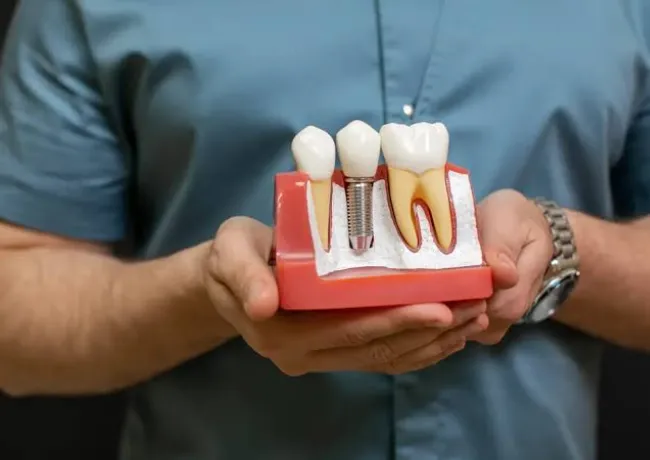
Tooth Pain Without a Cavity: Possible Reasons, Symptoms, Diagnosis & Treatment
Have you ever experienced a sharp, throbbing or continuous toothache, only to discover that there is no visible cavity in your tooth? It can be confusing to experience dental discomfort when your teeth appear perfectly healthy. Many people automatically associate toothache with tooth decay, but cavities are not the only reason behind dental pain.
Tooth pain without a cavity can occur due to several underlying dental and non-dental conditions, including tooth sensitivity, gum recession, cracked teeth, teeth grinding, inflammation of the tooth nerve, sinus infections and jaw joint disorders.
Sometimes, the problem may even be hidden beneath an existing filling or between two teeth, making it difficult to identify without a professional dental examination.
Understanding the actual reason behind unexplained tooth pain is important because the right treatment depends on its underlying cause. Ignoring persistent discomfort may allow a minor dental problem to develop into a more serious condition.
If you are experiencing unexplained toothache, consulting an experienced dentist can help identify the source of the discomfort and prevent further complications.
In this article, we explore the possible reasons for tooth pain without cavities, common symptoms, diagnostic methods, treatment options and preventive measures.
Can You Have Tooth Pain Without a Cavity?
Yes, absolutely!
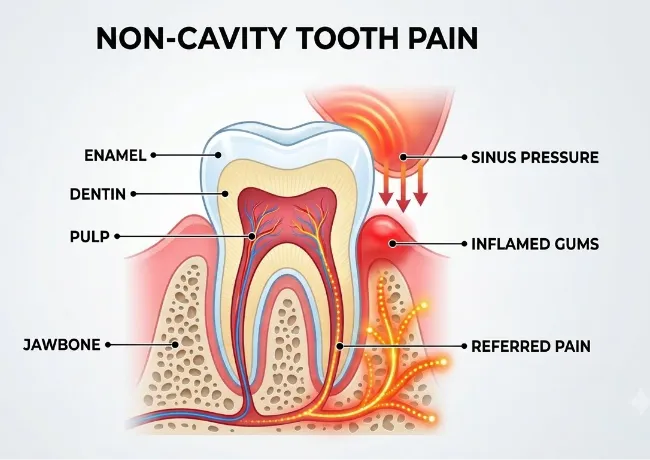
Tooth pain does not always indicate the presence of tooth decay. Your teeth contain nerves, blood vessels and several protective layers. Any damage, inflammation, pressure or irritation affecting these structures can trigger dental pain.
For example, enamel erosion can expose the sensitive dentin underneath. Similarly, gum recession can expose the tooth roots, making them more vulnerable to temperature changes and external stimuli.
A tiny crack in the tooth may also cause sharp pain while chewing, even when there is no visible cavity.
In some situations, the pain may not originate from the tooth itself. Conditions such as sinus infections, jaw joint disorders and facial muscle tension can produce discomfort that feels like a toothache.
Therefore, experiencing tooth pain without visible tooth decay does not mean that your teeth are completely healthy. A proper dental examination is necessary to identify the actual cause.
10 Possible Reasons for Tooth Pain Without a Cavity
There are several reasons why your teeth may hurt even when no cavities are visible. Let’s understand the most common possibilities.
1. Tooth Sensitivity Due to Enamel Erosion
One of the most common causes of tooth pain without cavities is dentin hypersensitivity, commonly known as tooth sensitivity.
Your teeth have an outer protective layer called enamel. Beneath it lies dentin, which contains microscopic channels connected to the inner nerve-containing portion of the tooth.
When enamel wears down, dentin becomes exposed. This allows external stimuli such as hot, cold, sweet or acidic foods to trigger discomfort.
Common symptoms include:
- Sharp tooth pain when drinking cold water.
- Sensitivity while eating ice cream.
- Discomfort after consuming hot beverages.
- Pain when eating sweet or acidic foods.
- Sudden sensitivity while brushing or flossing.
Possible causes of enamel erosion include:
- Brushing too aggressively.
- Consuming excessive acidic foods and beverages.
- Frequent intake of carbonated drinks.
- Acid reflux.
- Teeth grinding.
- Natural enamel wear over time.
Treatment options:
A dentist may recommend desensitising toothpaste, fluoride applications, protective dental treatments or restorative procedures, depending on the extent of enamel damage.
Using a soft-bristled toothbrush and avoiding aggressive brushing can also help prevent further enamel wear.
2. Gum Recession and Exposed Tooth Roots
Sometimes, tooth pain originates from the gums rather than the tooth itself.
Gum recession occurs when the gum tissue gradually pulls away from the teeth, exposing the underlying root surface.
Unlike the visible crown of your tooth, the root does not have the same protective enamel covering. Therefore, exposed roots can become sensitive to temperature changes, brushing and certain foods.
Common symptoms include:
- Tooth sensitivity near the gumline.
- Pain when brushing a particular tooth.
- Teeth appearing longer than before.
- Visible spaces between the teeth and gums.
- Discomfort while consuming cold or hot foods.
What causes gum recession?
- Brushing with excessive pressure.
- Gum disease or periodontal infections.
- Poor oral hygiene.
- Plaque and tartar accumulation.
- Improper tooth alignment.
- Certain habits that place excessive pressure on the gums.
Treatment options:
Treatment depends on the severity of gum recession. Your dentist may recommend professional cleaning, periodontal treatment, desensitising agents or gum grafting in selected cases.
Early identification is important because untreated gum recession can increase tooth sensitivity and expose the roots to further damage.
3. Cracked or Fractured Tooth
A cracked tooth is another important reason for unexplained tooth pain.
Not every crack is visible to the naked eye. Small fractures or hairline cracks may develop due to chewing hard foods, accidental injuries, teeth grinding or long-term pressure.
When you bite down, the cracked portions of the tooth may move slightly, irritating the sensitive inner tissues.
This can create sharp or unpredictable pain even when there is no cavity.
Common symptoms of a cracked tooth include:
- Sharp pain while biting or chewing.
- Discomfort when releasing biting pressure.
- Sensitivity to hot and cold foods.
- Pain that comes and goes.
- Discomfort while eating hard or crunchy foods.
Possible causes include:
- Chewing ice or hard nuts.
- Biting hard objects.
- Accidental dental injuries.
- Teeth grinding or clenching.
- Large existing fillings that weaken the remaining tooth structure.
Treatment options:
Depending on the location and severity of the crack, treatment may include dental bonding, a crown, root canal treatment or extraction when the tooth cannot be saved.
Early diagnosis is particularly important because a crack can gradually extend and damage the inner pulp of the tooth.
4. Teeth Grinding and Clenching (Bruxism)
Do you frequently wake up with a sore jaw or aching teeth?
You may be experiencing bruxism, a condition involving involuntary teeth grinding or clenching.
Bruxism can happen while you are sleeping or even during the day without you realising it.
Continuous pressure on the teeth can strain the surrounding tissues, wear down enamel and create discomfort that resembles a regular toothache.
Common symptoms include:
- Tooth pain after waking up.
- Jaw stiffness or soreness.
- Frequent headaches.
- Increased tooth sensitivity.
- Flattened or worn tooth surfaces.
- Pain around the temples and ears.
- Tightness in the facial muscles.
Stress, sleep disturbances and certain lifestyle factors may contribute to teeth grinding.
Treatment options:
A dentist may recommend a custom night guard or occlusal splint to protect the teeth from excessive grinding pressure.
Depending on the underlying cause, stress management, habit modification and evaluation of associated sleep problems may also be helpful.
If your teeth hurt without any visible cavities, especially in the morning, bruxism should be considered as a possible cause.
5. Gum Disease and Periodontal Infections
Gum disease is not limited to bleeding or swollen gums. In more advanced stages, it can also cause tooth discomfort and pain.
Periodontal disease affects the tissues supporting your teeth, including the gums and underlying bone.
As the condition progresses, the gums may recede, pockets may develop around the teeth and the supporting structures can become damaged.
Common symptoms include:
- Red or swollen gums.
- Bleeding while brushing or flossing.
- Persistent bad breath.
- Tenderness around the teeth.
- Receding gums.
- Loose teeth in advanced cases.
- Pus or discharge around the gums.
Treatment options:
Depending on the severity, treatment may include professional dental cleaning, scaling and root planing, periodontal maintenance or advanced periodontal procedures.
Maintaining good oral hygiene and attending regular dental check-ups can help prevent gum disease from progressing.
6. Sinus Infection Causing Tooth Pain
Surprisingly, tooth pain does not always originate inside your mouth.
A sinus infection, also known as sinusitis, can cause pain in the upper back teeth, particularly the molars and premolars.
The maxillary sinuses are located above the upper jaw. When these air-filled spaces become inflamed or congested, the resulting pressure can be felt around the upper teeth.
This is an example of referred pain, where discomfort originating in one area is experienced in another.
Common symptoms include:
- Aching in multiple upper teeth.
- Pressure around the cheeks.
- Nasal congestion.
- Facial tenderness.
- Headaches.
- Pain that becomes worse when bending forward.
- Discomfort around the upper jaw.
Treatment options:
If sinusitis is suspected, a dentist may recommend medical evaluation by an appropriate healthcare professional.
Treating the underlying sinus condition may relieve the associated tooth discomfort.
However, it is important not to assume that every upper toothache is caused by sinusitis. A dental examination may be needed to rule out tooth-related problems.
7. Tooth Nerve Inflammation (Pulpitis)
The dental pulp is the soft inner portion of your tooth containing nerves and blood vessels.
Inflammation of this tissue is known as pulpitis.
Although pulpitis commonly develops due to deep tooth decay, it can also occur following dental trauma, cracks, fractures or other forms of irritation.
In some cases, the outer surface of the tooth may appear normal even though the inner pulp is inflamed or damaged.
Common symptoms include:
- Persistent or throbbing tooth pain.
- Sensitivity to hot and cold temperatures.
- Pain that continues after removing the temperature stimulus.
- Spontaneous toothache without eating or drinking.
- Pain that disturbs sleep.
- Difficulty identifying the exact tooth causing discomfort.
Pulpitis is generally classified into reversible and irreversible forms.
Reversible pulpitis: The inflammation may settle when the underlying irritant is removed and the tooth receives appropriate treatment.
Irreversible pulpitis: The pulp is too severely damaged to recover naturally and may require root canal treatment.
Treatment options:
Treatment depends on the condition of the dental pulp. Your dentist may recommend removing the underlying irritant, placing an appropriate restoration or performing root canal treatment.
An accurate diagnosis is essential to determine whether the tooth can recover or requires further intervention.
8. Dental Abscess or Hidden Tooth Infection
A dental abscess is a collection of pus caused by a bacterial infection.
Although abscesses frequently develop due to untreated cavities, they may also occur following dental trauma, cracks, pulp damage or periodontal infections.
A tooth can sometimes have an infection even when no obvious cavity is visible.
Common symptoms include:
- Persistent throbbing toothache.
- Pain while chewing.
- Swelling around the gums.
- A bad taste in the mouth.
- Sensitivity to hot and cold.
- Facial or jaw swelling.
- Fever in some cases.
- Difficulty opening the mouth.
Treatment options:
A dental abscess requires urgent professional treatment. Depending on the source of infection, treatment may involve draining the abscess, root canal treatment, periodontal treatment or extraction.
Antibiotics may be prescribed when clinically indicated, but they do not replace the necessary dental procedure.
Ignoring an abscess can allow the infection to spread into surrounding tissues.
9. Wisdom Tooth Problems
Wisdom teeth are the last molars to emerge, usually during late adolescence or early adulthood.
Sometimes, there is insufficient space for them to erupt properly. This can result in an impacted or partially erupted wisdom tooth.
When a wisdom tooth remains partially covered by gum tissue, food particles and bacteria may accumulate around it, causing inflammation known as pericoronitis.
Common symptoms include:
- Pain at the back of the mouth.
- Swollen or tender gums.
- Discomfort while chewing.
- Difficulty opening the mouth.
- Bad breath.
- Pain spreading towards the jaw or ear.
- Swelling around the affected tooth.
Treatment options:
Depending on the condition, treatment may include professional cleaning, management of inflammation, appropriate medication or wisdom tooth extraction.
A dental examination and X-ray may help determine the position of the wisdom tooth and whether it is contributing to the pain.
10. Temporomandibular Joint (TMJ) Disorders
The temporomandibular joints connect your lower jaw to your skull and help you speak, chew and open your mouth.
Problems affecting these joints or the surrounding muscles are commonly referred to as temporomandibular disorders (TMD).
Sometimes, discomfort from the jaw joint and surrounding muscles can feel like tooth pain even when the teeth themselves are healthy.
Common symptoms include:
- Jaw pain or tenderness.
- Pain around the ears.
- Discomfort while chewing.
- Clicking or popping sounds when opening the mouth.
- Difficulty opening the jaw completely.
- Facial muscle soreness.
- Headaches or pain around the temples.
Treatment options:
Depending on the cause, treatment may include jaw exercises, habit modification, physiotherapy, a professionally prescribed oral appliance or other appropriate management.
Your dentist can assess whether the pain is related to the teeth, jaw muscles or TMJ.
Other Possible Reasons for Tooth Pain Without Cavities
Apart from the ten common causes mentioned above, several other conditions may contribute to unexplained tooth pain.
Hidden Tooth Decay
Sometimes, tooth decay develops between two teeth or beneath an existing filling or restoration. It may not be easily visible during a routine visual examination.
Dental X-rays and other diagnostic methods may help identify these hidden problems.
Damaged or Loose Dental Fillings
Old, worn or damaged fillings may expose sensitive tooth structures and allow bacteria to enter the underlying areas.
This can cause pain while chewing or sensitivity to hot and cold foods.
Recent Dental Procedures
Some people experience temporary tooth sensitivity after procedures such as fillings, crowns, whitening treatments or deep dental cleaning.
However, pain that persists, becomes severe or worsens should be evaluated by a dentist.
Dental Trauma or Previous Tooth Injury
An accidental blow to the mouth may damage the internal tissues of a tooth without producing an obvious external crack.
In certain cases, pulp damage or infection can develop later.
Acid Erosion and Frequent Consumption of Acidic Foods
Frequent consumption of citrus fruits, acidic beverages, carbonated drinks and other acidic foods may gradually weaken enamel.
Acid reflux can also expose teeth to stomach acid, increasing the risk of enamel erosion and sensitivity.
Referred Pain From the Ear or Facial Nerves
Ear infections, facial nerve conditions and certain types of neuralgia can sometimes produce pain that feels like a toothache.
In rare cases, pain involving the jaw or teeth can also be associated with cardiac problems. Jaw or tooth discomfort accompanied by chest pressure, breathlessness, sweating or nausea requires immediate emergency medical assessment.
How to Identify the Cause of Tooth Pain Without a Cavity
Different dental conditions can produce similar symptoms. Therefore, identifying the exact source of pain based only on how it feels can be difficult.
The following symptom patterns may offer clues, but they are not a substitute for a professional diagnosis.
| Symptoms | Possible underlying cause |
|---|---|
| Sharp pain when drinking cold water | Tooth sensitivity or exposed dentin |
| Pain when biting down | Cracked tooth or dental inflammation |
| Toothache after waking up | Teeth grinding or clenching |
| Pain in multiple upper teeth | Sinus-related pressure |
| Throbbing or continuous pain | Pulp inflammation or infection |
| Bleeding and swollen gums | Gum disease |
| Pain near the back molars | Wisdom tooth problems |
| Jaw pain with tooth discomfort | TMJ disorder |
| Pain that continues after hot or cold exposure | Possible pulp inflammation |
If you experience unexplained or persistent tooth pain, professional dental evaluation is the safest way to determine the cause.
How Do Dentists Diagnose Tooth Pain Without a Cavity?
When a patient visits a dental clinic with unexplained tooth pain, the dentist follows a systematic diagnostic process.
The goal is to identify the affected tooth, understand the nature of the discomfort and determine whether the problem is dental or non-dental.
1. Reviewing Your Dental and Medical History
The dentist may ask questions about:
- When the pain first started.
- Whether the pain is continuous or occasional.
- Whether it increases while chewing.
- Whether hot or cold foods trigger discomfort.
- Whether you grind your teeth.
- Whether you have recently undergone dental treatment.
- Whether you have experienced any dental injury.
This information helps narrow down the possible causes.
2. Clinical Dental Examination
The dentist examines the teeth, gums and surrounding tissues to identify signs of inflammation, fractures, gum recession, damaged fillings or infection.
The examination may also include checking your jaw movement and bite alignment.
3. Dental X-rays
Dental radiographs may be recommended to identify problems that are not visible during a routine examination.
These may include:
- Hidden tooth decay.
- Infections around the tooth roots.
- Bone loss due to gum disease.
- Impacted wisdom teeth.
- Certain types of dental trauma.
Not every cracked tooth or dental condition is visible on a conventional X-ray, so additional diagnostic methods may be necessary.
4. Pulp Vitality and Sensitivity Tests
A dentist may perform cold tests, electric pulp testing or other clinical assessments to evaluate the condition of the tooth’s pulp.
These tests help determine how the tooth responds to external stimuli.
5. Bite and Crack Detection Tests
If a cracked tooth is suspected, the dentist may use specialised instruments to evaluate individual tooth cusps and identify pain during biting or release of pressure.
Additional imaging or specialist assessment may be recommended when required.
An accurate diagnosis helps ensure that you receive treatment for the actual problem rather than simply masking the pain.
Treatment for Tooth Pain Without a Cavity
The treatment depends entirely on what is causing the discomfort. There is no single treatment that works for every type of unexplained toothache.
Here are some common treatment approaches.
| Underlying problem | Possible dental treatment |
|---|---|
| Tooth sensitivity | Desensitising toothpaste, fluoride treatment or protective restorations |
| Gum recession | Periodontal care, desensitising treatment or gum grafting in selected cases |
| Cracked tooth | Bonding, dental crown or root canal treatment depending on severity |
| Bruxism | Custom night guard and habit management |
| Gum disease | Scaling, root planing or periodontal treatment |
| Sinus infection | Medical evaluation and treatment of the sinus condition |
| Pulpitis | Appropriate restoration or root canal treatment |
| Dental abscess | Drainage, root canal treatment or extraction |
| Wisdom tooth infection | Cleaning, inflammation management or extraction |
| TMJ disorders | Conservative jaw management, physiotherapy or oral appliances |
Your dentist will recommend the most suitable treatment after evaluating your symptoms and dental condition.
Home Remedies to Get Temporary Relief From Tooth Pain
If you are experiencing mild tooth discomfort, certain measures may help manage the symptoms until you can visit a dentist.
However, remember that home remedies cannot treat underlying problems such as a cracked tooth, infected pulp or dental abscess.
1. Rinse With Warm Salt Water
Dissolve approximately half a teaspoon of salt in a glass of warm water and gently rinse your mouth.
This may help soothe irritated oral tissues and keep the affected area clean.
Avoid swallowing the solution.
2. Avoid Extremely Hot and Cold Foods
If your teeth are sensitive, avoid foods and drinks that trigger discomfort.
Choose lukewarm foods and avoid chewing hard items on the affected side.
3. Use a Soft-Bristled Toothbrush
Aggressive brushing can worsen enamel wear and gum recession.
Use a soft-bristled toothbrush and gentle circular movements to clean your teeth.
4. Try Toothpaste for Sensitive Teeth
Desensitising toothpaste may help reduce discomfort caused by exposed dentin.
Use it consistently according to the product instructions. If sensitivity persists, consult your dentist.
5. Consider an Over-the-Counter Pain Reliever
Appropriate over-the-counter pain medication may provide temporary relief.
Always follow the recommended dosage and check with a healthcare professional or pharmacist if you have existing medical conditions, take other medicines, are pregnant or are unsure which medication is suitable.
Important: Never apply aspirin directly to your teeth or gums, as this can damage the soft tissues.
Do not use home remedies as a replacement for professional dental treatment.
When Should You Visit a Dentist for Tooth Pain Without a Cavity?
Occasional mild sensitivity may not always indicate a serious problem. However, unexplained tooth pain should not be ignored, particularly when it is persistent or worsening.
Schedule a dental appointment if you experience:
- Tooth pain lasting more than two days.
- Repeated sensitivity in the same tooth.
- Sharp pain while biting or chewing.
- Persistent throbbing toothache.
- Pain that interrupts your sleep.
- Swollen or bleeding gums.
- A bad taste or discharge around the teeth.
- Tooth pain that does not improve with appropriate pain relief.
Seek urgent dental care if you suspect a dental abscess or have facial or jaw swelling, fever or difficulty opening your mouth.
If swelling around your mouth or neck makes it difficult to breathe, swallow or speak, seek emergency medical care immediately.
Early evaluation can help prevent complications and improve the chances of preserving your natural teeth.
How Can You Prevent Tooth Pain Without Cavities?
Although not every cause of toothache can be prevented, maintaining good oral hygiene and following healthy dental habits can significantly reduce your risk of several common problems.
Here are some practical preventive measures:
1. Brush twice daily: Use fluoride toothpaste and a soft-bristled toothbrush. Brush gently for approximately two minutes each time.
2. Floss regularly: Clean between your teeth daily to remove food particles and plaque that a toothbrush may miss.
3. Avoid excessive acidic foods: Limit frequent consumption of carbonated drinks, citrus beverages and other acidic foods.
4. Do not chew hard objects: Avoid biting ice, hard candies and non-food objects that may crack your teeth.
5. Manage teeth grinding: If you wake up with jaw soreness or tooth pain, consult your dentist about possible bruxism.
6. Maintain healthy gums: Regular dental cleanings and proper oral hygiene can help reduce the risk of periodontal disease.
7. Attend regular dental check-ups: Routine dental examinations can help identify hidden decay, gum problems and other conditions before they become more serious.
Why Choose SmileBracefully for Dental Care in Prabhadevi, Mumbai?
Experiencing tooth pain without a visible cavity can be frustrating, especially when the discomfort keeps returning without an obvious explanation.
At SmileBracefully, patients looking for dental care in Prabhadevi, Mumbai, can seek professional evaluation for unexplained tooth pain and other oral health concerns.
The right dental approach starts with identifying the underlying cause rather than simply treating the symptoms.
Whether your discomfort is associated with tooth sensitivity, gum problems, a suspected cracked tooth or another dental condition, a proper examination helps determine the next steps.
If you are searching for a dentist in Prabhadevi, a dental clinic in Prabhadevi Mumbai or professional toothache treatment in Mumbai, consider scheduling a consultation with SmileBracefully.
Do not let unexplained tooth pain affect your daily comfort. Get your teeth examined and take the right steps towards better oral health.
Frequently Asked Questions (FAQs)
1. Why does my tooth hurt when there is no cavity?
Tooth pain without a cavity can occur due to several reasons, including enamel erosion, gum recession, exposed tooth roots, cracked teeth, teeth grinding, pulp inflammation and sinus infections. A dental examination can help identify the exact cause.
2. Can a tooth nerve be damaged without a cavity?
Yes. Tooth nerves can become inflamed or damaged due to dental trauma, cracks, excessive pressure, previous dental procedures or other forms of irritation. This can cause pain even when no visible cavity is present.
3. Why does one tooth hurt but there is no cavity?
Pain in a single tooth may be caused by a hairline crack, exposed dentin, gum recession, a damaged filling, pulp inflammation or an infection near the root. Some of these conditions are difficult to identify without professional diagnostic tests.
4. Can sinus infections cause tooth pain?
Yes. Inflammation and pressure in the maxillary sinuses can cause referred pain in the upper back teeth. This may be accompanied by nasal congestion, facial pressure and headaches.
5. Can stress cause tooth pain without cavities?
Stress may contribute to teeth grinding and jaw clenching, which can place excessive pressure on the teeth and surrounding muscles. This may result in tooth sensitivity, jaw soreness and headaches.
6. Why do my teeth hurt when I wake up?
Tooth pain or jaw soreness after waking up may be associated with sleep bruxism, a condition involving involuntary grinding or clenching during sleep. A dentist can assess the signs and recommend suitable treatment.
7. Can gum recession cause tooth pain?
Yes. When gums recede, the underlying tooth roots become exposed. Since these surfaces do not have the same protective enamel covering as the crowns, they may become sensitive to hot, cold, sweet and acidic foods.
8. Is tooth pain without a cavity serious?
It depends on the underlying cause. Mild tooth sensitivity may be manageable, but persistent throbbing pain, swelling, fever or pain while biting may indicate a more serious dental condition that needs prompt attention.
9. Can a cracked tooth hurt without being visible?
Yes. Small cracks and fractures may be difficult to detect visually. They can cause sharp pain while chewing, discomfort when releasing biting pressure and sensitivity to temperature changes.
10. How can I stop tooth pain without a cavity?
Temporary measures include using desensitising toothpaste, avoiding trigger foods, brushing gently and taking an appropriate over-the-counter pain reliever if suitable. However, lasting relief requires identifying and treating the underlying cause.
11. Should I get an X-ray for tooth pain without a cavity?
Your dentist may recommend a dental X-ray if hidden decay, root infection, bone loss or other underlying problems are suspected. The need for imaging depends on your symptoms and clinical examination.
12. When should I visit a dentist for unexplained tooth pain?
You should consult a dentist if tooth pain persists for more than two days, keeps returning, worsens while chewing or is accompanied by swollen gums, facial swelling or fever. Suspected dental abscesses require urgent dental attention.
Final Thoughts
Tooth pain without a cavity is more common than many people realise. From enamel erosion and gum recession to cracked teeth, bruxism, pulp inflammation and sinus infections, several conditions can cause dental discomfort even when your teeth look healthy.
The most important step is to avoid self-diagnosing or relying entirely on temporary pain relief. Identifying the underlying cause early can help prevent complications and protect your natural teeth.
If you are experiencing unexplained tooth pain, consult SmileBracefully for a professional dental evaluation in Prabhadevi, Mumbai.
Healthy teeth start with the right diagnosis and timely dental care.